
Allman's painting

House Painting on the Sunshine Coast

  • Over 35 years of trusted painting experience.
  • Specialising in residential painting services.
  • Using premium Dulux and Haymes paints for lasting quality.

Contact Us in Sunshine Coast

Contact Us
Get 20% Off

Get in touch today to book a painting service!

Contact Us

Lifting the Look of Your Home

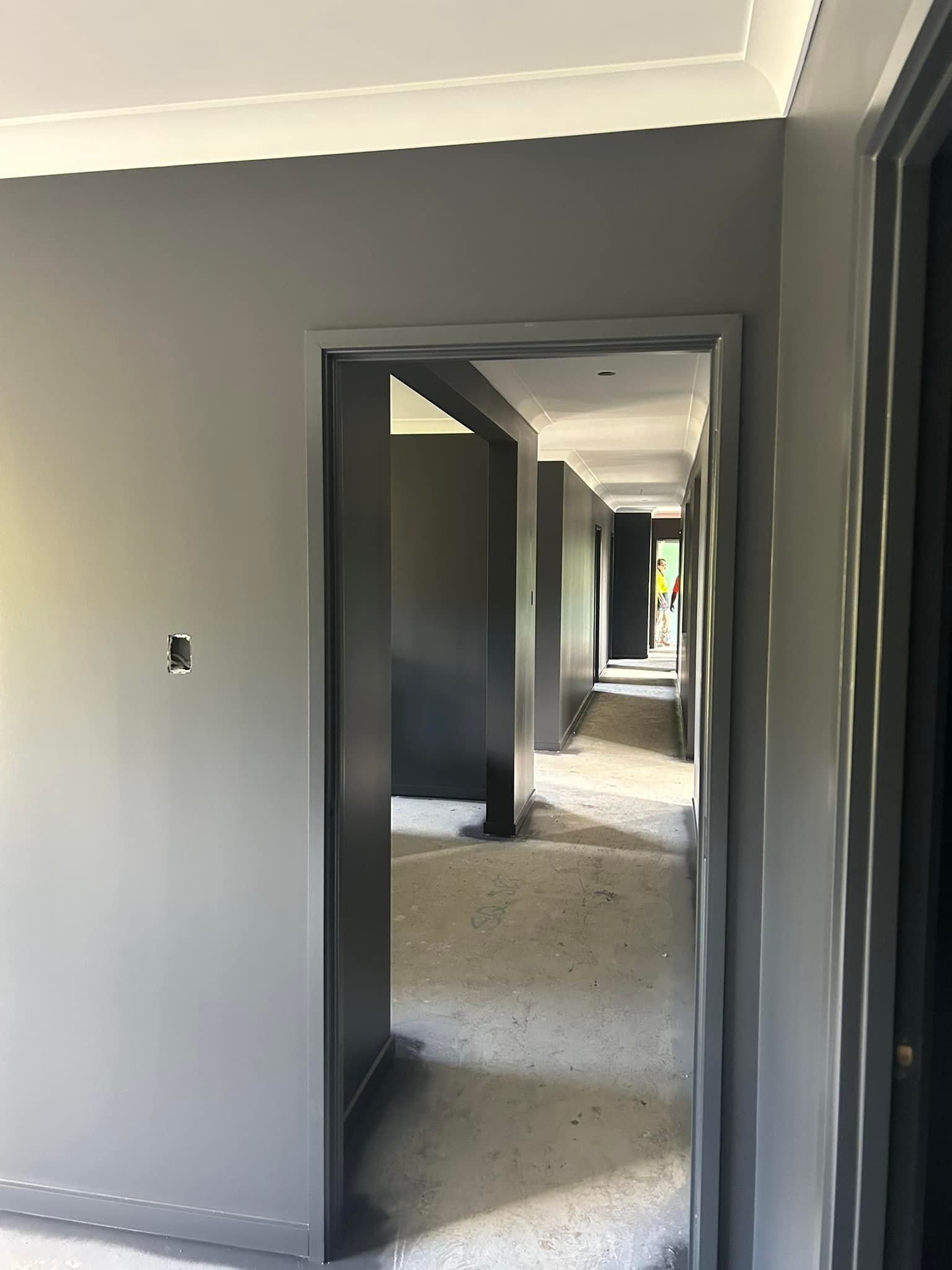
A fresh coat of paint can change the entire atmosphere of a home, and that’s something we love bringing to Sunshine Coast properties. At Allman’s Painting, we handle house painting with a mix of practical experience and a friendly approach that keeps everything stress-free.


We talk honestly about colour choices, finishes and surface prep so you know exactly what your home needs. Locals choose us because we stay easy to reach, keep work tidy and treat each project as if it were our own space. If you’re ready to give your home a brighter feel, give us a call on 0447 832 120 and we’ll run you through the next steps.
Reach Out

How We Refresh Homes With Care

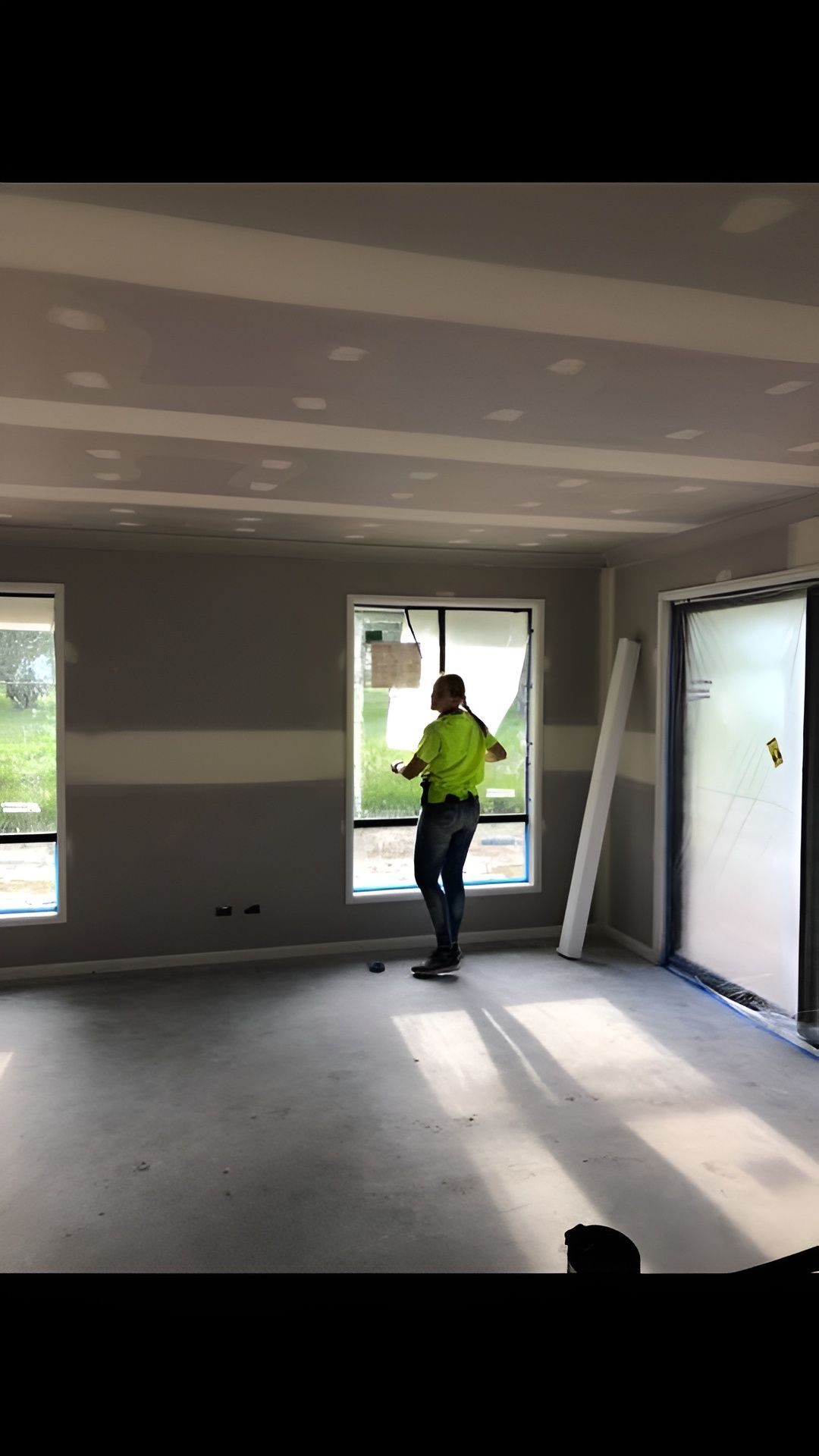
Painting across the Sunshine Coast comes with coastal sun, breezy interiors and a variety of building styles, so we adapt our methods for each home. We spend time prepping surfaces to make sure your new paint bonds properly, filling small imperfections and choosing primers that help colours settle smoothly.


Quality tools help us get sharp lines and even coverage, especially on older or textured walls. We also keep you updated as we move through each stage so you’re never left guessing.


Whether you want washable finishes for busy rooms or softer tones for relaxing spaces, we help tailor the approach so your home feels brighter and more inviting from the moment it’s finished.


Find Out More

Frequently Asked Questions

What’s involved in repainting walls that have been previously patched or repaired?

Previously patched areas often absorb paint differently than the rest of the wall, so they need extra care. Sanding helps create a smooth transition between repaired and original surfaces.

Applying a spot-primer seals patches and prevents uneven sheen – often called “flashing” – once paint dries. If repairs are large or textured, a skim coat may be added to level everything out.

After priming, painters typically blend the first coat carefully to avoid visible edges. These steps help the final finish look consistent, even on walls with older repair work.

How do painters choose the right roller or brush for different surfaces?

Tool choice depends on the material, texture and the finish desired. Smooth plaster walls usually suit short-nap rollers that create a fine, even coat. Textured walls need longer-nap rollers to reach into grooves without leaving heavy patches.

Trims and edges are often painted with angled brushes for better control. High-quality tools help reduce splatter, improve coverage and create sharper lines.

Selecting the right roller or brush also influences how many coats are needed, as appropriate tools help paint spread more efficiently and evenly.

What should homeowners expect when repainting ceilings?

Ceiling work often begins with thorough cleaning to remove dust and small cobwebs, followed by repairs to any hairline cracks or water-stained areas.

Stains typically require stain-blocking primer so they don’t bleed through fresh paint. Because ceilings catch light differently, even coverage is crucial, and painters usually work in consistent, overlapping passes to avoid streaks. Protective sheeting is placed across floors and furniture to contain speckling from overhead work.
Drying times may be slightly longer due to limited airflow. When finished, ceilings lift the look of a room more than many people expect.

How can homeowners maintain freshly painted trims and doors?

Trims and doors often face frequent handling, so gentle, regular care helps them stay crisp. A soft, damp cloth removes fingerprints and dust without dulling the finish. Avoid abrasive cleaners, which can scratch or wear down the sheen.

Hinges and handles should be checked occasionally for minor scuffs, and small touch-ups can be applied using leftover paint stored in airtight containers. If trims are painted with semi-gloss or gloss, they’ll naturally resist marks better, but they still benefit from light cleaning.

Consistent upkeep helps these high-contact areas stay sharp between repaint cycles.
