
Allman's painting

Commercial Painting in Noosa

  • Over 35 years of trusted painting experience.
  • Specialising in commercial painting services.
  • Using premium Dulux and Haymes paints for lasting quality.

Contact Us in Noosa

Contact Us
Get 20% Off

Get in touch today to book a painting service!

Get In Touch

Supporting Your Business Goals

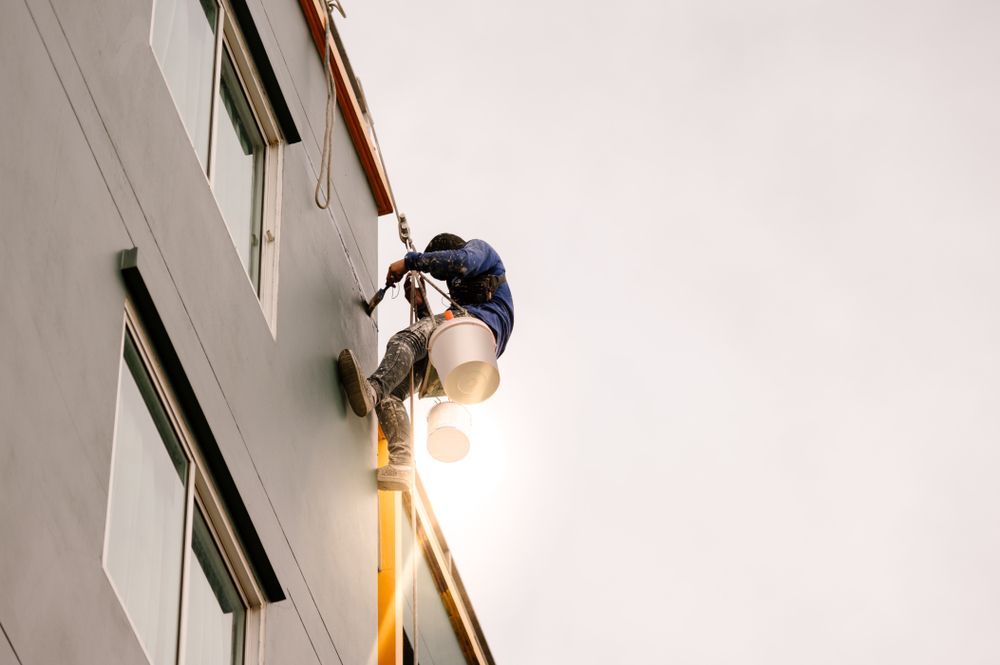
A well-presented workplace can shift how customers and staff feel the moment they walk in, and that’s what we enjoy bringing to Noosa businesses. At Allman’s Painting, we approach commercial painting with steady planning, tidy habits and open communication so everything runs smoothly from start to finish.


We work across retail spaces, new builds and larger commercial sites, giving each project the same care and attention no matter the scale. Local business owners choose us because we stay approachable, work efficiently and respect the flow of day-to-day operations. If you’d like to organise a refresh for your workspace, get in touch with us on 0447 832 120 and we’ll talk through your project.
Reach Out

Bringing Long-Lasting Results to Noosa Businesses

Commercial painting in Noosa often involves balancing bright natural light, high-traffic areas and varied building materials, so we tailor our approach to suit each space. We start with solid prep work – patching, sanding and priming – to help colours settle smoothly across large surfaces.


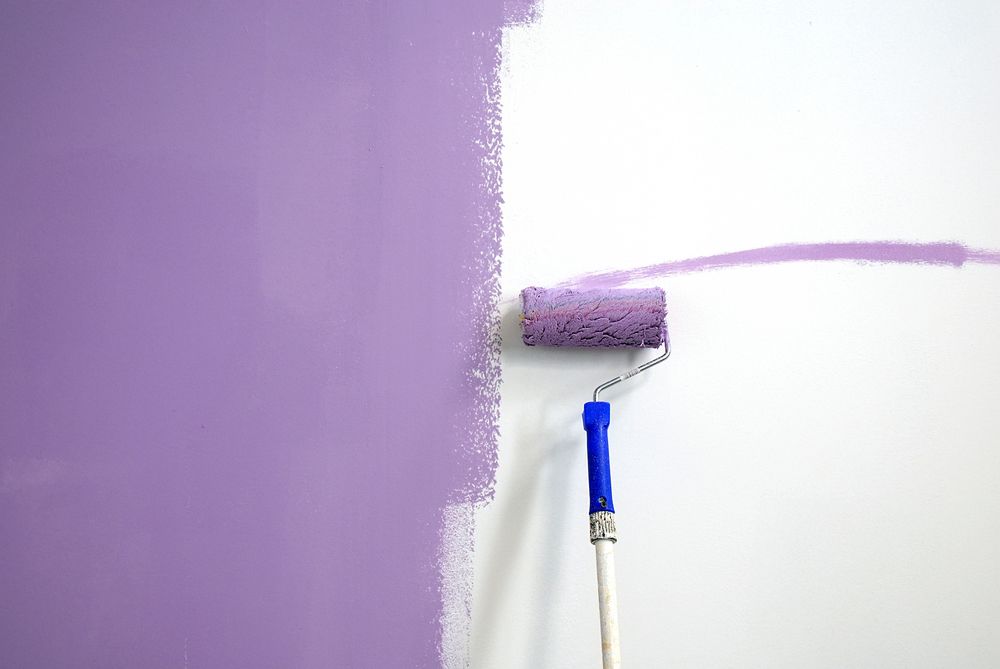
Coatings are chosen with durability in mind, whether the space needs washable finishes, UV-stable options or crisp lines for new builds. We use quality rollers and brushes to achieve even results, and we keep you updated as we move through each stage.


By planning our workflow around your business hours, we aim to keep the environment calm and disruption low while delivering a finish that supports how your workspace looks and functions.


Find Out More

Frequently Asked Questions

How do painters manage commercial spaces that operate across extended hours?

When a business runs early mornings or late evenings, painters typically arrange staggered work times to reduce overlap with peak periods. They may complete high-traffic zones outside of opening hours and shift quieter tasks to daytime.

Fast-drying or low-odour coatings are often selected to minimise downtime. Clear pathways are kept open, and equipment is stored compactly so operations continue safely.

Communication between the painter and business owner plays a major role, ensuring each stage aligns with staff schedules, customer flow or delivery windows. This planning helps the project move forward without unnecessary interruptions.

What influences colour selection for professional settings?

Colour choices in commercial spaces usually balance branding, practicality and the atmosphere the business wants to create. Neutral tones often work well in offices because they reduce visual distractions and age gracefully.

Retail spaces may benefit from subtle contrasts that highlight products without overwhelming customers. Factors like lighting, wall texture and the presence of glass or metal surfaces can change how colours appear throughout the day.

Durability also matters; some shades hide scuffs better than others. Considering these elements helps create a cohesive environment that complements the business’s purpose.

Why do large commercial walls sometimes require tinted undercoats?

Tinted undercoats help achieve even colour coverage on wide, open surfaces, especially when shifting from dark tones to light shades or when the topcoat has a subtle hue.

Without tinting, the final colour may appear uneven or require additional coats. Tinted primers also help improve accuracy of the finished shade, particularly in spaces with strong lighting. On textured or patched surfaces, they reduce the risk of the underlying colour influencing the topcoat.

Using a tinted base coat can save time overall and create a smoother, more predictable finish.

How is safety managed when painting around customers, staff or equipment?

Safety is maintained through careful site organisation. Painters use clear signage to direct foot traffic, cover walkways, and keep tools out of busy areas. Equipment is secured, and only essential items remain in active zones.

Painters often coordinate with management to identify high-risk periods – such as deliveries or shift changes – so work can pause or move elsewhere during those times. Low-odour paints and good ventilation help keep the environment comfortable.

Proper preparation and communication reduce risks and keep everyone moving safely through the site.
