
Allman's painting

House Painting In Noosa

  • Over 35 years of trusted painting experience.
  • Specialising in residential painting services.
  • Using premium Dulux and Haymes paints for lasting quality.

Contact Us in Noosa

Contact Us
Get 20% Off

Get in touch today to book a painting service!

Contact Us

Bringing Colour & Calm Back

There’s something uplifting about walking into a freshly painted home. At Allman’s Painting, we’re here to give Noosa homes that same feeling with our house painting service that’s thoughtful, tidy and grounded in decades of experience.


We talk you through colours, finishes and the best approach for your home’s layout, keeping the process simple instead of overwhelming. Many locals choose us because we stay approachable, communicate clearly and treat every space with genuine care. You’ll always know what’s happening and why.


If you’re ready to map out a fresh look for your place, give us a ring on 0447 832 120 and we’ll walk you through the next steps.
Reach Out

How We Paint Noosa Homes

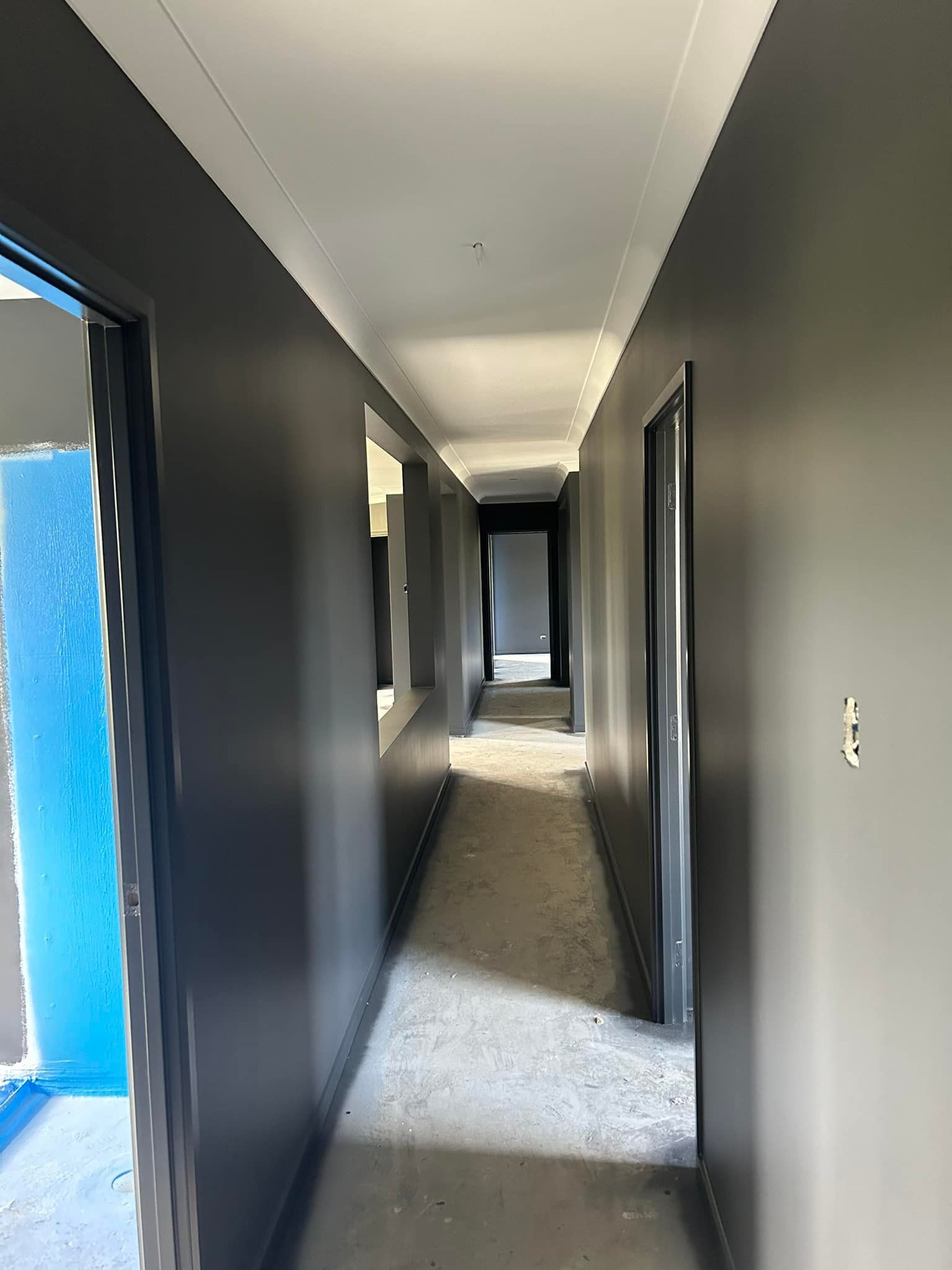
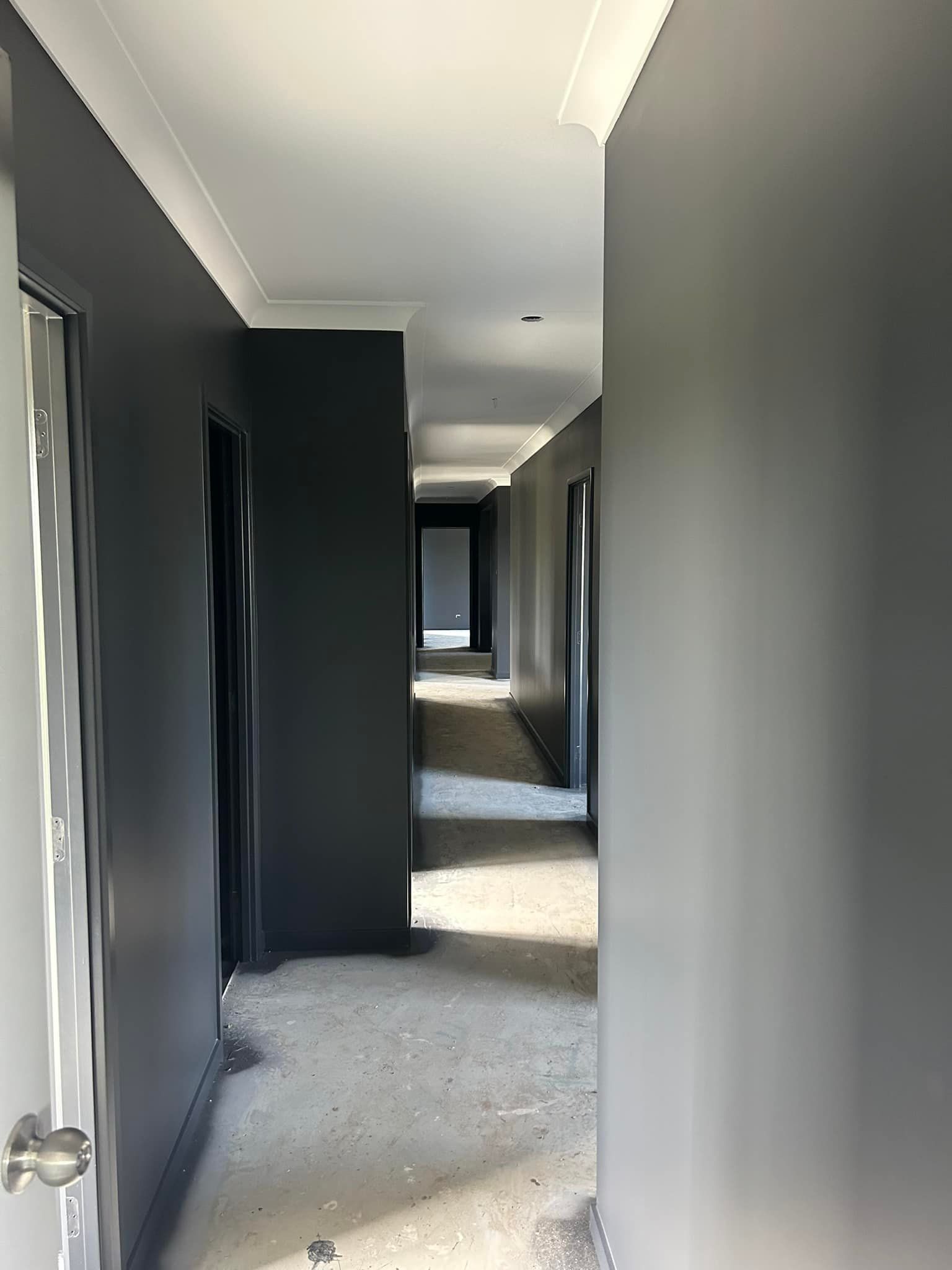
Painting homes around Noosa calls for a mix of careful planning and practical technique, especially with the salt air and bright sunlight many properties face. We take the time to prep surfaces properly, from repairing small flaws to choosing primers that help the paint settle smoothly.


Our team use quality brushes and rollers to keep lines sharp and coverage even, while finishes are matched to how each room gets used day to day.


You’ll get updates throughout the project, clear timing and a tidy workspace as we move from room to room. We want the entire experience to feel calm, organised and rewarding, ending with a home that looks refreshed and feels great to live in.


Find Out More

Frequently Asked Questions

What makes certain paints fade faster than others?

Paint fade usually comes down to pigment quality, binder strength and exposure to strong sunlight. Bright colours often lose intensity quicker because they rely on more delicate pigments.

Lower-grade paints may use fillers that weaken the formula, causing colour to break down sooner. Surfaces exposed to constant UV light fade more noticeably, especially when painted in mid-sheen or glossy finishes that reflect light irregularly over time.

Choosing paint with UV-resistant additives and high-quality pigments can slow the process, while regular gentle cleaning helps remove dust that can dull the appearance.

What should homeowners know about low-VOC and eco-friendly paints?

Low-VOC and eco-friendly paints release fewer fumes, making them more comfortable to live around during and after painting. They’re especially appealing for bedrooms, nurseries or homes with sensitive occupants.

While modern low-VOC paints perform well, some may dry slightly slower or require more thorough mixing before use.

They generally offer strong coverage and durability, though high-moisture areas may still benefit from speciality formulations. These paints are available in a wide range of colours and finishes, allowing homeowners to prioritise indoor air quality without sacrificing appearance or longevity.

How do painters keep edging neat around windows, trims and feature areas?

Neat edges come down to technique and the right tools. Painters often “cut in” by hand with angled brushes designed for precision, allowing sharp lines without relying heavily on tape.

High-quality masking tape may still be used on tricky or uneven sections. Consistent brush pressure, steady pacing and good lighting all contribute to clean results.

When trimming around textured walls or older surfaces, painters may smooth the transition first so the paint glides more evenly. Taking the time to edge properly prevents bleed-through and gives the whole room a more polished look.

What factors determine how many coats a room needs?

The number of coats depends on the existing colour, the new colour, paint quality and surface condition. Switching from dark to light shades often needs an undercoat to create an even base.

Rough or patched walls may absorb paint inconsistently, requiring extra coats to smooth everything out. Premium paints offer stronger coverage, reducing the number of layers needed. Glossy surfaces usually need scuffing and priming so the new coat bonds well.

Once the base is even and the colour fully saturated, additional coats rarely add benefit and can even dull the final finish.
